


Spiti Valley in Winter: Complete Winter Spiti Trip Guide
How to plan a winter Spiti trip via Shimla and Kinnaur: route, temperatures, homestays, 4x4 travel and what to pack for −25 °C nights.
 4 min read

In winter, Spiti turns into a white, silent valley: frozen waterfalls, monasteries without crowds and a real chance of seeing a snow leopard. It is also one of the most demanding trips in India. This guide covers what changes in winter and how to do it safely.
Which route is open in winter
From December to March, Kunzum Pass and the Manali–Kaza road close with snow. The only way in is from Shimla through Kinnaur: Shimla → Narkanda → Rampur → Reckong Peo → Nako → Tabo → Kaza. The road is kept open, but fresh snowfall or landslides can close it for a day or two.
How cold does it get
- Day: around −5 to 5 °C in the sun
- Night: −15 °C is normal, and −25 to −30 °C is possible in January
- Water pipes freeze, so homestays use stored water and dry toilets
Why go in winter
- Snow leopard season: Kibber and nearby valleys offer sightings with local trackers
- Frozen Chandra-like landscapes, ice formations and blue skies
- Festivals and village life without summer crowds
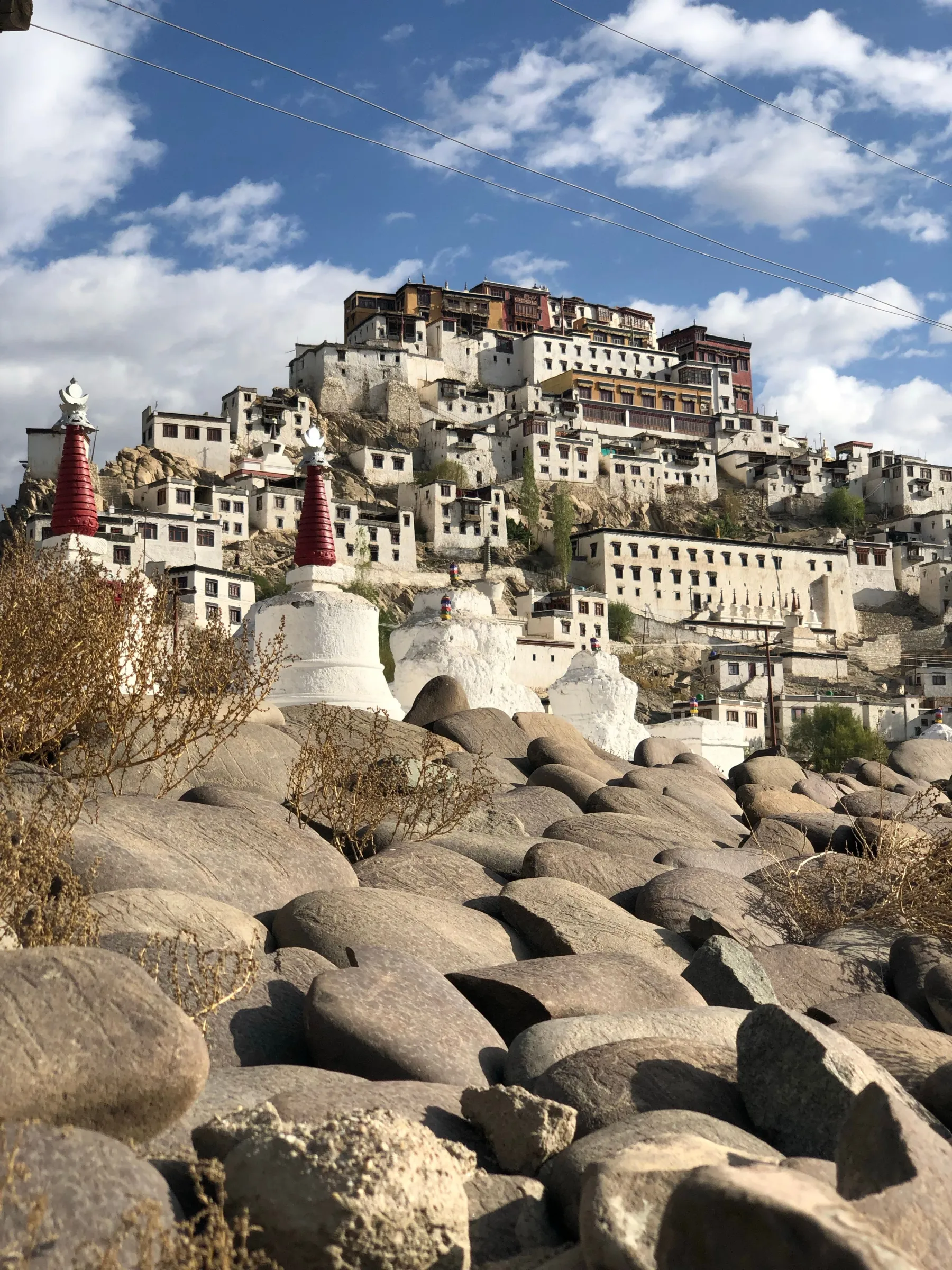
- Monasteries such as Key, Tabo and Dhankar in total silence
Vehicle and driver
Use a 4x4 vehicle with snow chains and a driver who knows winter Kinnaur. Black ice in the early morning is the biggest risk, so most winter itineraries drive between 10 am and 4 pm only.
Captain's tip: keep two buffer days in every winter Spiti plan. If snow closes the road near Nako or Malling, you wait in comfort instead of racing back to catch a train.
Where to stay
Most hotels in Kaza close in winter. Homestays with a bukhari (wood or coal stove) in the main room stay open and are the warmest option. Expect simple rooms, thick quilts and hot home food.
What to pack
- Down jacket rated for −20 °C or lower, plus fleece layers
- Two sets of thermal inners and woollen socks
- Insulated, waterproof boots with good grip
- Gloves (one liner, one heavy), balaclava and woollen cap
- Sunglasses — snow glare is strong
- Hot water bottle, lip balm and moisturiser
- Personal medicines and a basic altitude kit
Health and safety
- Spend a night at Kalpa or Nako before Kaza to adjust to the height
- Avoid alcohol in the first days
- Drink warm water through the day even if you are not thirsty
- Network is limited; tell your family your expected check-in times
Frequently asked questions
Can I drive my own car to Spiti in winter?
Only if it is a 4x4 with snow chains and you have snow-driving experience. Most travellers hire a local driver.
Is a snow leopard sighting guaranteed?
No. Sightings depend on weather and luck; going with experienced trackers for several days gives you the best chance.
When is the best month for winter Spiti?
January and February have the most snow; late February and March are slightly milder.
Trips for this guide
Ready to go? These Qurikvoy trips cover the places in this guide — open one for the itinerary, inclusions and dates.



 QURIKVOY TRAVEL DISPATCH
